Reports about the BBC's emergency broadcasting arrangements have brought an unusual phrase into the headlines: Black Sky.
The BBC has been preparing for an extreme situation in which a major power failure could leave people without electricity, internet access, mobile phone services, and other essential services.
The story has also attracted attention on social media, with some posts suggesting that a nationwide blackout could happen at any moment.
That isn't what the BBC is saying.
There is no announcement of an impending blackout. What has been reported is a contingency plan designed to keep important information reaching the public if the UK's normal communication systems were seriously disrupted.
Here is a look at what the plan involves and what it means for ordinary households, including those of us living in Sheldon and across Birmingham.
What is a Black Sky event?
A Black Sky event describes an extreme emergency in which a widespread electricity failure causes disruption to several essential services at the same time.
Electricity supports much more than the lights in our homes. Water supplies depend on pumping systems, mobile networks need power, and many everyday services rely on internet connections and electronic payment systems.
If a major power failure continued for an extended period, the effects could spread well beyond the electricity supply itself.
Severe weather, infrastructure failures, and major cyberattacks are among the types of threats that emergency planners consider.
It is important to understand the difference between preparing for a possibility and predicting that it will happen. The BBC's preparations are about the former.
What is the BBC's 'Black Sky' plan?
In a report published on 7 November 2026, BBC correspondent David Sillito explained how the broadcaster intends to continue providing essential information during an extreme national emergency.
The arrangements include a dedicated emergency radio operation, supported by independent power supplies and alternative broadcasting infrastructure.
Here are the main elements reported:
- **An emergency broadcasting team: ** Around 100 BBC staff would be involved in operating the emergency broadcasting arrangements. The aim is to maintain a reliable source of information when the BBC's normal television, website, and digital services may no longer be accessible.
- **Independent power supplies: ** The emergency operation would have access to backup generators and essential supplies, allowing it to continue operating without normal electricity supplies. The BBC report also describes substantial diesel storage at radio transmission sites, with reported capacities ranging up to 40,000 litres. The arrangements are designed to support broadcasting for at least 72 hours without outside resupply.
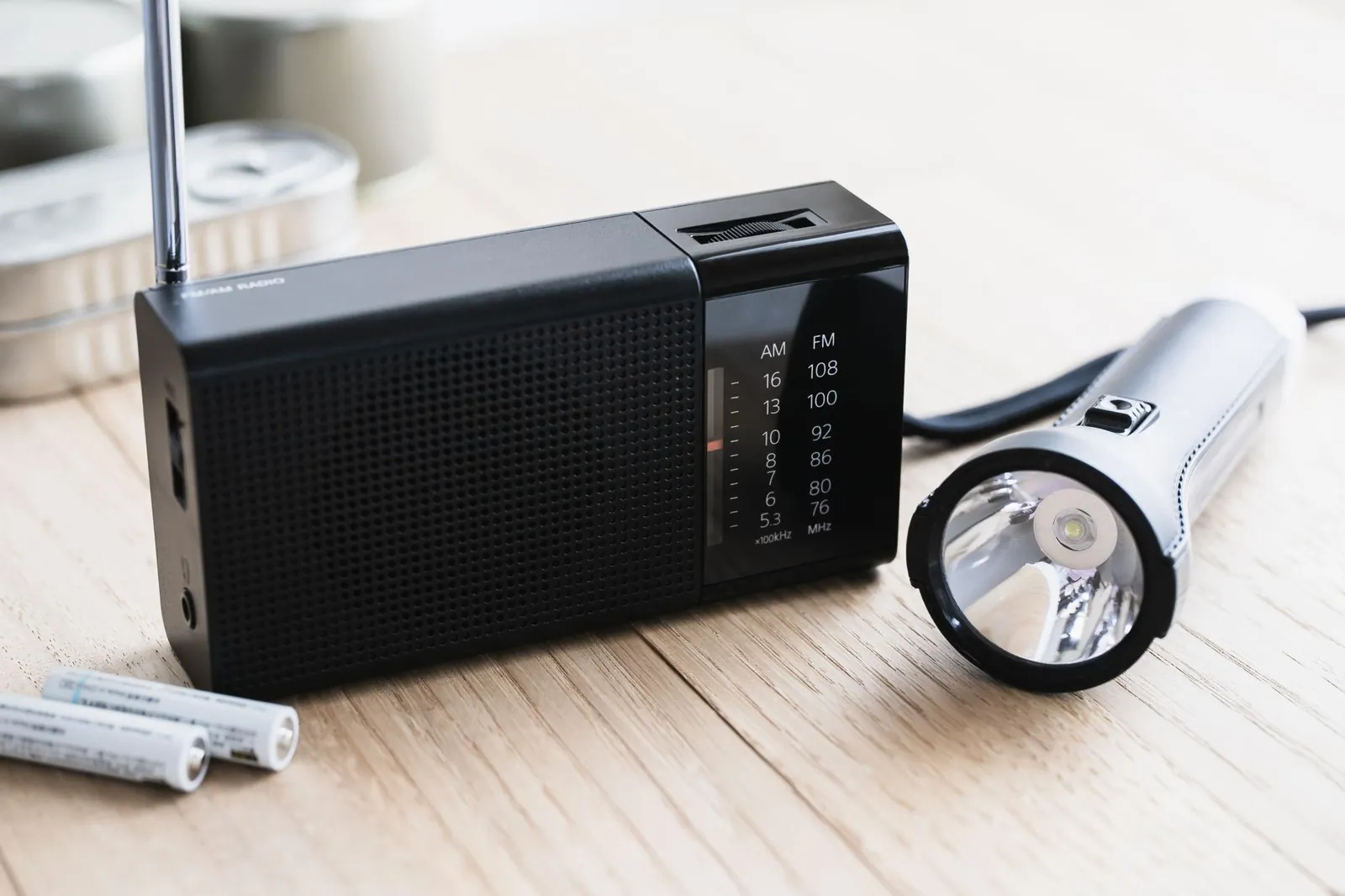
- **Traditional FM radio: ** One of the most interesting parts of the plan is its reliance on traditional FM radio. Internet radio, streaming services, and connected smart speakers may become unavailable during a widespread infrastructure failure. A battery-powered FM radio, however, does not need an internet connection. It can receive a broadcast as long as the relevant transmitter is operating. This is why traditional radio still has an important role in national emergency planning.
- **Pre-prepared public information: ** The emergency broadcasts would include information and practical advice prepared in advance with relevant government and public health authorities. This could cover drinking water, personal hygiene, and what households should do if normal water and sanitation services were disrupted. The purpose is to make sure people can still receive reliable instructions when ordinary communication channels are unavailable.
Why the government's Be Ready campaign matters
The BBC's emergency broadcasting arrangements are closely connected to a wider message from the government: households should be able to manage for a short period if essential services are disrupted.
The government's Be Ready campaign, published on 22 October 2026, encourages people to prepare for up to three days of disruption.
This is not a campaign specifically about blackouts. It covers a range of possible emergencies, including flooding, severe weather, and interruptions to essential services.
The recommended household supplies include:
- Drinking water, around three litres per person per day.
- Food that does not need refrigeration or cooking.
- A battery-powered or wind-up radio.
- A torch and spare batteries.
- A charged power bank.
- Essential medication and a first-aid kit.
- Some cash and copies of important documents.
You don't need to purchase everything immediately. The sensible approach is to check what you already have and gradually fill any gaps.
What does this mean for Sheldon and Birmingham?
For people in Sheldon, Yardley, and elsewhere in Birmingham, the BBC report does not indicate any specific local emergency or increased immediate risk.
However, the advice is relevant to households everywhere.
Think about what would happen if your electricity went off for an extended period. Your home Wi-Fi would stop working, your phone battery would eventually run down, and contactless payments might not be available.
A few straightforward preparations can make that situation easier to manage:
- **Keep a radio at home: ** A basic battery-powered or wind-up FM radio gives you another way to receive official information if internet and mobile services are unavailable. Check that it works and keep spare batteries if needed.
- **Have a torch available: ** Keep a working torch somewhere accessible. It is generally safer than relying on candles during a power cut.
- **Keep some essential supplies: ** A small supply of drinking water, suitable food, and essential medication can help your household manage temporary disruption.
- **Think about your neighbours: ** A prolonged power cut could be particularly difficult for older residents, people with medical needs, and those living alone. Checking on neighbours and offering help where possible is a simple but useful part of community preparedness.
These are practical steps for everyday resilience, not reasons to be worried about an event that may never happen.
The bottom line
The BBC's Black Sky arrangements are a reminder that even organisations responsible for keeping the public informed need backup plans.
Most of us rarely think about how dependent we are on electricity and digital communication until something stops working.
The government's Be Ready campaign and the BBC's emergency broadcasting preparations approach the same problem from different directions: one helps households prepare, while the other aims to keep reliable information available.
There is no reason to panic, stockpile supplies, or assume a nationwide blackout is approaching.
Having a working torch, some basic supplies, and a radio at home is simply sensible preparation for any household.

Loading comments…