You may have seen posts circulating on Facebook recently claiming that 33 countries are telling their citizens to stockpile food, water, and emergency supplies.
These posts list countries from Europe, Asia, and the Americas, suggesting people keep anywhere from 72 hours to a week's worth of items. Many end with the same alarming question: "What do they know that we don't?"
The chatter online has picked up across the UK following the Government's new Be Ready campaign, which asks households to prepare for three days of possible disruption.
There is another national update worth understanding too: the UK is planning a major home-defence exercise for 2027, called Operation Albiston Shadow. Some social media accounts have also tried to link these announcements to a recent $6.3 billion cyberattack on the cryptocurrency exchange Binance.
So what is actually happening? Are governments expecting a sudden crisis? And what should people across the UK make of it all?
I looked at official guidance, parliamentary reports, and reputable news coverage to separate simple facts from internet rumours.
Inside the government's Be Ready campaign
On 22 October 2026, the UK Government launched updated emergency advice as part of its new Be Ready campaign.
The idea is simple: help households manage if everyday services, such as electricity, tap water, or internet access, are temporarily cut off. It is the first step of a three-year public awareness effort.
The main suggestion is that households should try to be self-reliant for three days during an unexpected disruption.
This does not mean buying expensive survival gear or filling a spare bedroom with supplies. The Government explicitly states that most people already have many of these items in their cupboards.
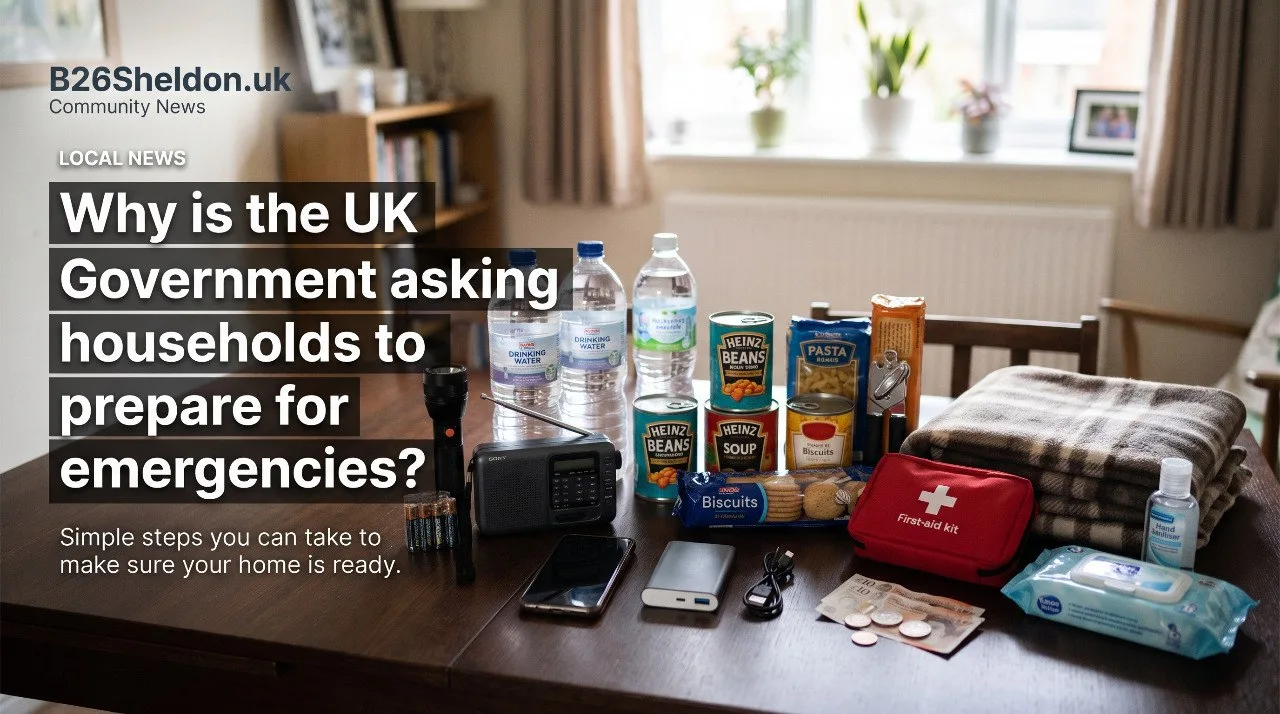
The official recommended kit includes:
- Water: 3 litres of drinking water per person per day (extra water is needed for cooking and washing).
- Food: Tinned food, dried fruit, nuts, and long-life items that do not need cooking or a fridge.
- Lighting: A working torch with spare batteries (torches are safer than candles).
- Warmth: Warm clothes, blankets, or sleeping bags.
- Information: A battery-powered or wind-up FM radio to hear local news updates.
- Power: A fully charged mobile power bank.
- Cash: A small amount of cash in coins and notes, in case card readers or cash machines go down.
- Hygiene: Hand sanitiser, wet wipes, and basic toiletries.
- Household Essentials: Prescription medicines, baby supplies, or pet food.
The advice is not to buy everything in one go. The Government suggests checking what you already have at home and picking up an extra item or two during your regular food shop.
It also encourages families to write down important phone numbers on paper and agree on a simple plan to contact one another if mobile phone networks go down.
Why the government is highlighting household resilience now
The Government says the campaign is about improving everyday resilience when unexpected incidents occur. Several well-known risks sit behind this advice:
- Severe Weather: Winter storms, flash flooding, and extreme weather can temporarily knock out power lines, water supplies, and transport links.
- Cyberattacks: Hacking attempts against major companies or utility providers can cause service delays even without physical damage.
- Supply-Chain Disruptions: Transport delays or logistics problems can briefly interrupt the flow of goods to local shops.
- Security Threats: Ministers also prepare for attempts by hostile foreign actors or criminal groups to disrupt public services.
These risks are listed in the official National Risk Register. This is a standard planning document used by councils and emergency services, not a prediction that a disaster is about to happen.
The practical reason for asking households to prepare is straightforward: if residents can manage basic needs for a few days, emergency services can focus their immediate help on the most vulnerable.
The role of Operation Albiston Shadow in 2027
Alongside the public advice, the Government is planning a major home-defence exercise for 2027 called Operation Albiston Shadow. Parliament has described it as the UK's largest civil defence simulation in decades.
Run under the Home Defence Programme, the exercise will test how government departments, local councils, the military, and emergency services coordinate during a major national crisis.
The simulation focuses heavily on hybrid threats, meaning actions that disrupt civilian life without traditional military action. These include:
- Cyberattacks on energy grids, water plants, or banking networks.
- Physical damage to vital transport or communications links.
- Coordinated fake news campaigns designed to cause panic or fuel hoarding.
As part of this work, Whitehall departments are updating their crisis handbooks (traditionally known as the War Books) to ensure public services know how to keep essentials running.
Why an exercise does not mean an attack is expected
Running a national exercise is standard practice to test communications, supply chains, and emergency procedures before a real crisis happens. Governments routinely plan for serious risks that may never occur.
While Operation Albiston Shadow is more extensive than a routine departmental drill, preparing for a potential problem is not the same as saying an event is bound to happen.
Fact-checking the 33-country stockpiling claims
There is some truth behind the viral Facebook posts, but the graphics are misleading.
Many nations publish emergency advice for their citizens:
- Sweden and Norway: Advise keeping a week's worth of supplies.
- Germany: Suggests keeping supplies for up to ten days.
- Canada and France: Recommend 72 hours.
- Japan: Advises 3 to 7 days due to earthquake risks.
However, these recommendations are not new. Many countries have promoted these models for decades because of local climate or geological risks.
The viral post takes standard, longstanding advice from around the world and presents it as if 33 governments issued a single, coordinated warning this week. It even lists the European Union separately, even though the EU is an international body rather than an individual country.
The UK's Be Ready campaign simply aligns British advice with similar 72-hour guidance used across Europe.
The separate Binance cyber theft
Some viral posts mention a $6.3 billion cyber incident involving Binance, the world's largest cryptocurrency exchange.
While Reuters reported on 30 October 2026 that hackers stole funds from Binance wallets, this is a separate financial cybersecurity incident. There is no link between this event and the UK Government's Be Ready campaign. The UK campaign was planned months in advance as part of a multi-year resilience review.
What this means for households across the UK
For households across the country, daily life continues as normal. Neither national authorities nor local councils have raised any alerts.
However, taking simple, sensible precautions makes practical sense:
- Keep a few bottles of water and extra tins in the pantry.
- Keep a torch and spare batteries in an easy-to-reach drawer.
- Keep a phone power bank charged.
- Write down essential emergency phone numbers on paper.
- Keep a small amount of cash at home for times when card machines fail.
If anyone in your home relies on electricity for medical equipment or has extra health needs, make sure they are registered on their energy and water network's free Priority Services Register.
It is also worth checking in on elderly neighbours or anyone living alone during cold spells or severe weather.
Sensible preparation vs panic buying
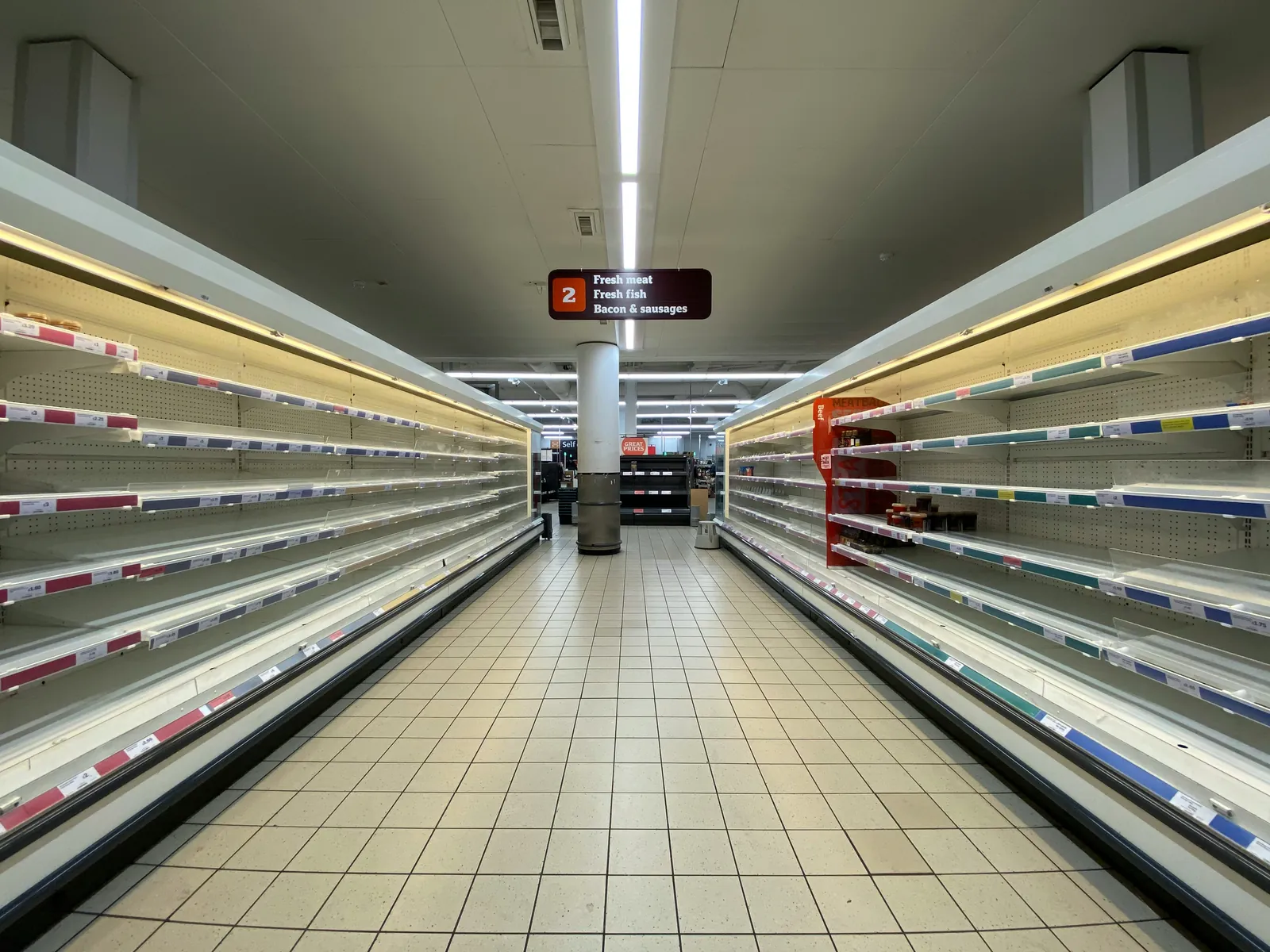
There is no need for panic buying or clearing supermarket shelves.
The Government's message is to build up supplies gradually over time using everyday items your family already eats and uses. A small, sensible store of cupboard essentials is useful for severe winter weather, even if no major emergency ever occurs.
The bottom line
The UK Government has launched a 3-day household preparedness campaign, similar to advice given across Europe. It is also preparing Operation Albiston Shadow for 2027 to test national infrastructure defences.
While these developments show that authorities are taking resilience seriously, they do not mean an emergency is about to happen.
The sensible approach is clear: stay informed, prepare gradually, avoid panic buying, and look out for neighbours and family members.
Sources and official references: UK Government Cabinet Office (Be Ready Campaign), Local Resilience Forums, and Reuters financial cybersecurity reporting.
Source: UK Government Be Ready Advice ↗


Loading comments…